

As an indoor fiber optic supplier deeply entrenched in the industry, I've witnessed firsthand the dynamic landscape of indoor fiber optic jumpers. These seemingly simple components play a pivotal role in modern communication and data transfer systems. In this blog, I'll delve into the various factors that contribute to the cost of indoor fiber optic jumpers, offering insights that can help you make informed decisions when it comes to your fiber optic needs.
Understanding the Basics of Indoor Fiber Optic Jumpers
Indoor fiber optic jumpers are short fiber optic cables with connectors on both ends, used to connect different devices in an indoor environment. They are essential for establishing reliable and high - speed data connections in offices, data centers, and other indoor settings. The cost of these jumpers can vary significantly, and several key factors influence this variation.
Factors Affecting the Cost of Indoor Fiber Optic Jumpers
1. Fiber Type
There are two main types of fiber used in indoor jumpers: single - mode and multi - mode. Single - mode fiber is designed for long - distance and high - speed data transmission. It has a smaller core diameter, which allows for a single path of light to travel. The manufacturing process for single - mode fiber is more precise, and the raw materials are of higher quality. As a result, single - mode indoor fiber optic jumpers are generally more expensive than multi - mode ones.
Multi - mode fiber, on the other hand, has a larger core diameter, which allows multiple paths of light to travel simultaneously. It is suitable for shorter distances and lower - speed applications. Since the manufacturing requirements are less stringent, multi - mode jumpers are more cost - effective.
2. Connector Type
The connectors used on indoor fiber optic jumpers also have a significant impact on the cost. There are several common connector types, such as SC, LC, ST, and FC. Each connector type has its own characteristics and applications.
For example, LC connectors are small in size and are commonly used in high - density applications, such as data centers. They require a high level of precision during manufacturing, which makes them relatively more expensive. SC connectors are also widely used and are known for their easy installation and reliable performance. They are generally more affordable compared to LC connectors.
3. Cable Construction
The construction of the fiber optic cable itself can affect the cost. Some indoor fiber optic jumpers have additional protective layers to enhance durability and resistance to environmental factors. For instance, cables with a tight - buffered design are more flexible and can withstand bending and twisting better. However, the manufacturing process for tight - buffered cables is more complex, which increases the cost.
In addition, the quality of the fiber optic core and the outer jacket material also play a role. High - quality materials can provide better performance and longer service life but come at a higher price.
4. Length
The length of the indoor fiber optic jumper is another obvious factor affecting the cost. Longer jumpers require more raw materials, and the manufacturing process is more time - consuming. As a result, the cost of a longer jumper is generally higher than that of a shorter one.
5. Brand and Quality Assurance
Well - known brands often charge a premium for their products. This is because they invest heavily in research and development, quality control, and customer service. A reputable brand can provide better - quality jumpers with more reliable performance and longer warranties. However, this also means that their products are usually more expensive compared to generic or lesser - known brands.
Cost Ranges of Indoor Fiber Optic Jumpers
The cost of indoor fiber optic jumpers can range from a few dollars to several hundred dollars per jumper, depending on the factors mentioned above.
For basic multi - mode jumpers with common connectors and shorter lengths, you can expect to pay around $5 - $20 per jumper. These are suitable for small - scale applications, such as home networks or small offices.
Single - mode jumpers, especially those with high - end connectors and longer lengths, can cost anywhere from $20 - $200 or more. These are typically used in large - scale data centers or telecommunications networks where high - speed and long - distance data transmission is required.
Our Product Offerings
As an indoor fiber optic supplier, we offer a wide range of indoor fiber optic jumpers to meet different customer needs. We provide both single - mode and multi - mode jumpers with various connector types and lengths.
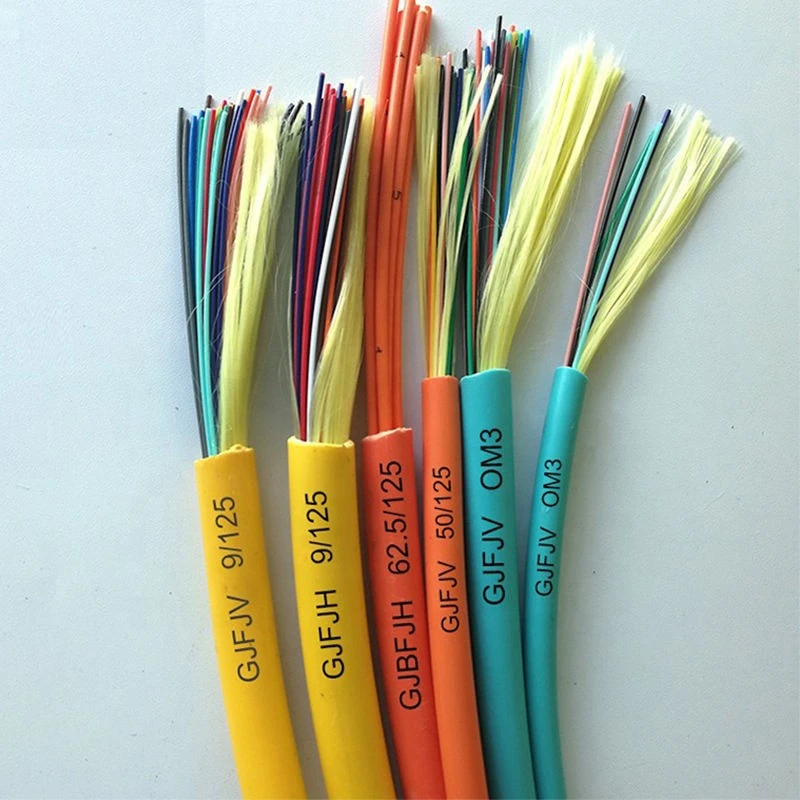
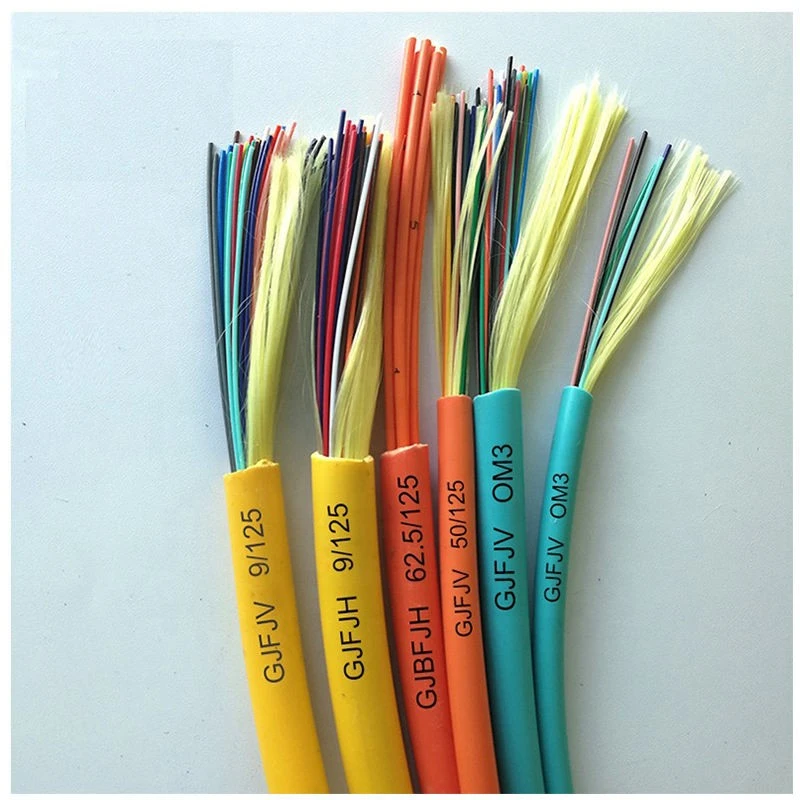
Our GJFJV Indoor Optical Cable is a popular choice for indoor applications. It features a high - quality fiber optic core and a durable outer jacket, ensuring reliable performance in different indoor environments.
We also offer the GJFJH Single - core Optical Cable, which is designed for single - core applications. This cable provides excellent signal transmission and is suitable for specific indoor setups.
In addition, our GJFJV Single - fiber Optical Cable is a cost - effective option for single - fiber applications. It offers good performance at an affordable price.
Conclusion
The cost of indoor fiber optic jumpers is influenced by multiple factors, including fiber type, connector type, cable construction, length, and brand. When choosing indoor fiber optic jumpers, it's important to consider your specific requirements and budget.
If you're in the market for indoor fiber optic jumpers, we invite you to contact us for a detailed consultation. Our team of experts can help you select the most suitable products for your needs and provide you with competitive pricing. Whether you're setting up a small home network or a large - scale data center, we have the solutions to meet your indoor fiber optic needs.
References
- "Fiber Optics: Principles and Practices" by Joseph C. Palais
- "Optical Fiber Communication Systems" by Govind P. Agrawal